
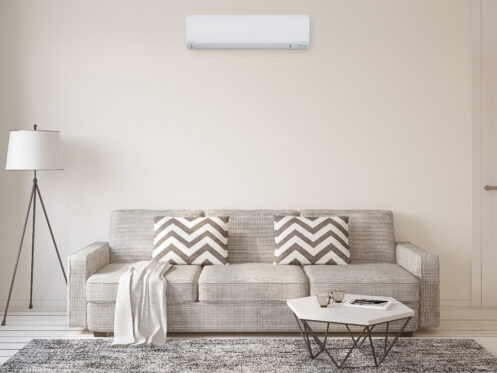
Traditional HVAC systems use more energy than you realize, especially if they run through old ductwork or work harder than needed. Mini-split systems offer a cleaner, more innovative way to keep your home comfortable while shrinking your carbon footprint at the same time.
Mini-Splits Work Smarter, Not Harder
Traditional heating and cooling systems generate heated or cooled air and then push it through long runs of ductwork to reach different rooms. Every foot of ductwork creates a chance for energy loss, especially if joints leak or insulation wears down. Mini-splits take a different approach. Instead of creating a lot of hot or cold air at a central point, mini-split systems move heat energy where needed. In the summer, they pull heat out of your home and release it outside. In the winter, they capture heat from the outside air, even when it feels cold, and bring it indoors. They use much less energy because they transfer heat instead of creating it from scratch. That difference in how mini-splits handle heating and cooling helps cut down your home’s energy consumption without making you sacrifice comfort.
No Ductwork Means Less Energy Waste
Ducts leak over time. Even a small leak can cost you a lot in wasted energy by the end of a season. Heated or cooled air escapes into attics, basements, or crawlspaces, which does not help you. Mini-split systems skip that whole problem. They deliver conditioned air straight into the room through a sleek wall unit, without traveling through yards of ducts first. That direct delivery reduces energy loss and makes it easier for the system to maintain a steady temperature. Without the hidden energy drain that ductwork can create, your home stays more efficient, and your system doesn’t have to work as hard to keep you comfortable.
Zoned Comfort Means You Only Condition What You Use
One of the best parts of mini-split systems is the ability to create zones. Each indoor unit controls the temperature in its own space independently. That means you are not heating or cooling rooms you are not using, like spare bedrooms, storage areas, or rarely used basements. You can set each zone to match your schedule if you only need the living room cool during the afternoon or the bedroom warm at night. Being able to control temperatures room by room cuts down energy use because you only pay to heat or cool the spaces that need it. If your family has different temperature preferences, mini-splits let everyone stay comfortable without fighting over the thermostat.
Variable Speed Technology Improves Efficiency Even More
Mini-split systems usually rely on variable-speed compressors that change their speed based on how much heating or cooling the space needs. Instead of cycling on at full blast and then shutting off, like older systems, mini-splits run more continuously at lower speeds. That keeps the temperature steadier and uses less electricity. Imagine your system gently humming along, keeping the house exactly how you like it, instead of roaring to life every time the thermostat drifts a degree. Variable-speed technology also reduces wear and tear on the system, helping it last longer and work more efficiently throughout its lifespan. Less stopping and starting means less wasted energy and more consistent comfort.
All-Electric Operation Supports Greener Energy Choices
Because mini-split systems run on electricity, they offer an easy way to align your home with cleaner energy options. As utility grids shift toward more renewable energy sources like wind and solar, electric systems automatically take advantage of those improvements without you needing to upgrade your equipment. Even if your local grid is still a mix of energy sources, electric heating and cooling generally leave a smaller carbon footprint than systems that burn natural gas or oil onsite. Suppose you ever install solar panels at home. In that case, mini-splits let you take full advantage of your renewable energy production by handling your heating and cooling needs efficiently and cleanly.
Quiet Operation Makes Comfort Feel Seamless
Noise pollution might not seem like an environmental issue initially, but a quieter home can make a surprising difference in your daily life. Mini-split systems run much quieter than traditional HVAC systems. The indoor units whisper at low volumes, and the outdoor units operate with less clatter and vibration than conventional compressors. That means less background noise humming through your living spaces and a more peaceful indoor and outdoor environment. Quiet operation improves your comfort and helps preserve a quieter neighborhood environment, which benefits everyone who shares your corner of the world.
Small Footprint Means a Smarter Design
Mini-split systems take up very little physical space. Wall-mounted indoor units, slim outdoor compressors, and flexible line sets mean you can fit a high-efficiency system into spaces where traditional HVAC would struggle. Smaller homes, apartments, additions, converted garages, and even tiny homes benefit from mini-splits without massive renovations. That flexibility also means fewer materials get used during installation, reducing waste compared to ripping out walls or floors to install bulky ductwork. Smarter use of space leads to smarter use of resources, both during installation and across the system’s life.
Lower Maintenance Helps Save Resources
Mini-split systems are designed to be low-maintenance compared to older HVAC systems. Regular filter cleaning and simple inspections help keep them running efficiently. They have fewer moving parts exposed to dirt and stress than traditional central systems, which means fewer breakdowns and a lower demand for replacement parts and repairs. Lower maintenance needs save you money and hassle and reduce the overall environmental impact of keeping your system in top shape. Taking care of your mini-split helps it take care of you, while keeping material waste and service calls to a minimum.
Supporting Healthier Indoor Air Quality
Better energy efficiency often goes hand in hand with better air quality. Mini-splits offer built-in filtration that removes dust, allergens, and other particles from the air as it moves through the system. Some units even come with advanced multi-stage filters that help capture bacteria and viruses. Because mini-splits do not rely on long, dusty ducts to move air, they do not circulate as many indoor pollutants back into your living spaces. Breathing cleaner air without running a bulky system harder adds another layer of comfort and well-being to your home, while still keeping energy use low.
Long-Term Environmental Payoff
Choosing a mini-split system goes beyond just cutting costs. It’s about lowering your home’s energy use, shrinking emissions, and creating lasting change through everyday choices. Each bit of energy you save and every degree you hold steady without waste slowly builds into a real difference that grows bigger with time. If more homeowners shift toward high-efficiency systems like mini-splits, the collective difference in energy use and carbon emissions could be huge. Choosing a mini-split system means investing in comfort today and contributing to a greener future tomorrow without sacrificing what makes a home feel like home.
Limit Your Carbon Footprint Now
Precision Heating & Air in Dallas, GA, helps homeowners install and maintain high-efficiency mini-split systems that support comfort without putting extra strain on the environment. We also specialize in heating and cooling system installation, maintenance, and repairs, along with indoor air quality improvements and energy-efficient home comfort solutions tailored to your needs. Call Precision Heating & Air today to take the first step toward a greener, more comfortable home.
