
For many homeowners in Dallas, GA, it can be expensive to maintain a cool home during the summer months. Air conditioners are a necessity, but they result in high utility bills. If you’re overusing your cooling system, this can lead to equipment strain and frequent repairs. Attic insulation helps keep a home comfortable and boost cooling efficiency. If you’re lacking insulation, you may notice hot or cold spots in your residence. You may even be dealing with indoor air quality (IAQ) issues.
The Basics of Attic Insulation
During the summer, the hot sun can beat down on your roof for hours at a time. The surface of your roof can reach temperatures between 150 degrees Fahrenheit and 170 degrees Fahrenheit. If you don’t have sufficient insulation in your attic, that heat can radiate inside. Even though heat rises, it can still transfer through your ceiling and down into the rest of your home. You may find yourself turning down the temperature on your thermostat to address hot spots and discomfort. This increases energy consumption, raises monthly bills, and leads to more frequent AC maintenance and repairs.
If your attic is well insulated, this can improve cooling efficiency. Insulation will slow the movement of heat, keeping cool air inside and warm air outside. It’s common for older homes to lack sufficient attic insulation. Insulation is measured by its R-value. The higher the R-value, the more insulating power there is.
Maintaining Indoor Comfort
Being able to maintain a consistent temperature inside your home boosts comfort but also saves money. Without enough attic insulation, your indoor temperature likely fluctuates quite a bit throughout the course of the day. The rooms that are right under your attic usually experience the most instability. Increasing your attic insulation can reduce hot spots, promote consistency, and prevent overuse of your AC system.
Protecting Your Air Conditioning System
When an air conditioning system is running frequently to keep up with fluctuations in temperature and hot spots, it experiences wear and tear. It may be necessary to schedule frequent repairs and maintenance to keep up with an increase in demand. These costs add up quickly over time. Not to mention, you may experience a shorter system lifespan. Replacing your AC system prematurely is expensive.
Supporting Attic Ventilation and IAQ
Insulation blocks the transfer of heat. However, ventilation helps remove hot air and contaminants from your home. Insulation requires expert installation to ensure it accomplishes both tasks. Cool air should remain in your home, but ventilation should also occur.
Boosting Home Value
If you’re planning to sell your home soon, attic insulation can impact your asking price. Energy efficiency is something that most potential buyers look at. If you have recently upgraded your insulation levels, this boosts home value. You may find your home sells faster.
Considering Rebates and Tax Credits
While upgrading your attic insulation requires an upfront investment, there are ways to save money on this expense. There are often rebates and incentives that can offset the initial cost. We can help you determine if utility company rebates, federal tax credits, or local energy programs apply to your upgrade.
Different Types of Attic Insulation
There are different attic insulation options to consider when planning an upgrade. Different products provide varying levels of R-value. If you’re adding insulation on top of what you already have, you may need to use certain products that are compatible.
Fiberglass Batting
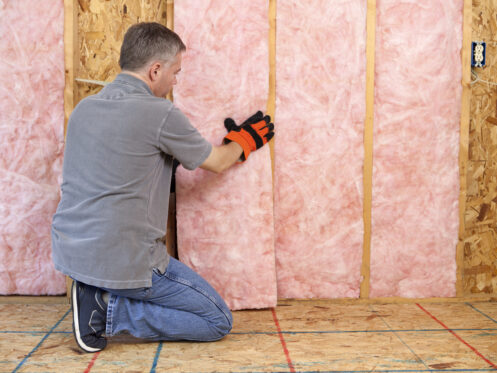
Fiberglass batting is very affordable and easy to install. These are the sheets of insulation that you typically see at local hardware stores. You simply cut the pieces to size and fit them in between wall joists, inside ceilings, and elsewhere. Fiberglass insulation usually provides an R-value of approximately R-2.2 to R-4.3 per inch of thickness. It’s sufficient for basic attic insulation. However, there are gaps that can allow cool air to escape and hot air to enter.
Sprayed Fiberglass or Cellulose
Spraying fiberglass or cellulose insulation into your attic helps reduce air gaps and provides ample insulating properties. This application works well for heat resistance. Because it’s sprayed in place, there is more control over the cracks and crevices that it fills.
Spray Foam Insulation
Spray foam insulation provides an R-value of about R-5.6 to R-6.0 per inch of thickness for medium-density products. High-density products have an R-value of R-7.0 to R-8.0 per inch of thickness. Not only will you reap the benefits of sufficient attic insulation when you use spray foam, but it also helps with air sealing and protecting your indoor air quality. Spray foam insulation is also mold resistant.
Radiant Barrier Insulation
Underneath the deck of your roof, reflective radiant barriers can be installed. This product helps reflect heat away from your attic. It’s especially beneficial in areas that experience very hot and sunny days.
Determining If You Need More Insulation
A professional inspection can help determine the level of insulation in your attic and throughout the rest of your home. Upgrades can help boost AC efficiency and save you money. The upfront investment is typically well worth it when you consider long-term savings.
There are other signs that indicate the need for more insulation. Take note if the upper floors of your residence feel substantially hotter than the lower ones. Excessive use of your AC system and rising energy bills also point to low levels of attic insulation.
If you can see the exposed joints in your attic, that means there isn’t insulation covering them. If insulation is present, it may appear thin, damaged, or compressed.
Consider Your Ductwork
Not only does your home benefit from insulation in your attic, but also around your ductwork. If gaps are present around your ducting, this allows warm air to transfer into your ducts. Cool air can also escape. The air coming out of your vents will feel warmer than it should. Consider having insulation added around your ductwork to help retain cool and comfortable air and prevent overuse of your AC.
How Much Attic Insulation Is Necessary?
Most homes in the Dallas area benefit from attic insulation that is between R-38 and R-60. Insulation requirements have changed over the years. If you live in a very old home, you may only have insulation that provides an R-value of R-10 or R-20. This is below modern standards.
Make sure that you have a professional install your insulation for you. As already mentioned, proper installation ensures proper ventilation in addition to insulation. Professionals understand which products can be used together and can perform R-value calculations. Safe handling of materials protects the installer as well as you and your family.
If you’re considering the potential benefits of adding insulation to your attic, our team at Precision Heating & Air can help. We can inspect your attic and home to see how much insulation you have present. Expert installation will help boost cooling efficiency and save you money long-term. Contact our team at Precision Heating & Air for insulation upgrades in Dallas.
