Winters can be chilly in the Metro Atlanta area, so you need your gas furnace running at peak efficiency to keep you warm. This appliance is reliable and effective, but safe operation depends on a combination of factors. These include proper ventilation, functional safety components, and routine care. Homeowners can do their part by taking a few key preventive steps and knowing when to call an HVAC professional.
You can support the safe operation of your furnace by keeping the area around it clear, checking or replacing air filters as recommended, keeping all air vents unobstructed, and maintaining working carbon monoxide detectors. Also pay attention to any unusual furnace behavior and schedule professional maintenance. Never ignore signs of a possible gas leak, carbon monoxide concern, or major combustion problem. And leave any work involving gas lines, combustion components, or internal furnace mechanisms to an HVAC technician.
7 Gas Furnace Safety Tips for Georgia Homeowners
Keeping your home and family safe is your top priority. By incorporating these simple habits into your home maintenance routine, you can help your gas furnace operate as safely as possible throughout the heating season.
1. Keep the Area Around the Furnace Clear
Your furnace needs adequate space for proper airflow and ventilation to function correctly and safely. Storing items too close to the appliance can create a fire hazard and may also restrict the air your system needs for combustion. Maintain at least 30 inches of clear space on all sides of the furnace. And keep flammable materials like paint, gasoline, cleaning supplies, and paper products far away from the equipment.
2. Check and Replace the Furnace Filter
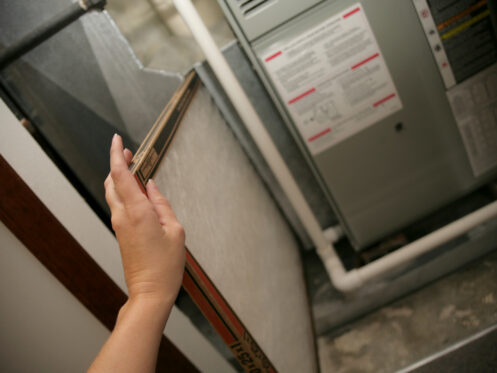
A clogged air filter is one of the most common causes of furnace problems, forcing the system to work harder to pull in air. This can lead to overheating and potential damage to critical components, causing the furnace to shut down unexpectedly for safety. Check your filter monthly and replace it every one to three months.
3. Keep Supply and Return Vents Unobstructed
Your heating system relies on a balanced flow of air to distribute warmth evenly and operate efficiently. Supply vents deliver heated air to your rooms, while return vents pull air back to the furnace to be heated. If furniture, rugs, or drapes block these vents, they can disrupt this airflow. This can create pressure imbalances within the system, reducing comfort and forcing your furnace to run longer and harder than necessary.
4. Maintain Working Carbon Monoxide Detectors
Every home with a gas furnace or any other fuel-burning appliance must have working carbon monoxide (CO) detectors. Install them on each level of your home, especially near sleeping areas, following the manufacturer’s guidelines. Test your detectors monthly and replace the batteries at least once a year. Replace the entire unit according to the date stamped on the device, usually every 5 to 10 years.
5. Watch for Unusual Furnace Behavior
Your furnace communicates potential problems through changes in its operation. Watch for anything out of the ordinary, such as strange noises like banging, rattling, or screeching. Watch for unusual smells, especially a rotten egg odor, which may indicate a gas leak. Short cycling or a furnace that struggles to keep your home warm are more signs that it needs professional attention.
6. Leave Gas Furnace Repairs to Professionals
While homeowners can change a filter, only a certified HVAC technician has the right tools and training to work on the internal components of a gas furnace. Attempting DIY repairs on gas lines, burners, heat exchangers, venting, or electrical components is dangerous.
7. Schedule Professional Furnace Maintenance
An annual furnace tune-up is one of the most effective safety measures you can take. During a maintenance visit, a technician will clean and inspect the entire system, including the burner assembly, heat exchanger, and all safety controls. This comprehensive check can identify potential hazards, like a small crack in the heat exchanger, before they become serious risks. Regular tune-ups also improve efficiency and extend equipment lifespan.
Why Are Carbon Monoxide Detectors Important With a Gas Furnace?
Carbon monoxide is an odorless, colorless, and tasteless gas produced during the incomplete combustion of fuels like natural gas. In a properly functioning furnace, these combustion byproducts are safely vented out of your home. However, a problem such as a cracked heat exchanger, a blocked flue, or poor ventilation can allow this dangerous gas to leak into your living space.
Because you cannot see or smell it, CO can build up to dangerous levels without you knowing. A functioning CO alarm acts as a critical early warning system, providing protection before the physical symptoms of CO poisoning appear.
Homeowners need to follow all manufacturer and safety guidance for detector placement, testing, and replacement schedules. However, a CO alarm is a backup safety device, not a substitute for regular, professional furnace inspections. The best way to prevent CO issues is with annual professional maintenance.
What Are the Warning Signs of an Unsafe Gas Furnace?
Knowing what to look, listen, and smell for can help you identify a potential furnace issue early. While these signs can indicate a malfunction, a professional diagnosis is needed to determine the cause and whether a safety risk exists.
- Unusual smells, such as rotten eggs or burning metal
- A sounding carbon monoxide alarm
- Soot streaks or scorch marks near the furnace
- Frequent on-and-off cycling (short cycling)
- Loud banging, rattling, or popping noises
- A yellow, flickering, or frequently extinguished pilot light
- Visible rust, corrosion, or cracks on the furnace
- Inconsistent or inadequate heating performance
What Should You Do if You Suspect a Gas Leak or Carbon Monoxide Problem?
If you believe you have a gas leak or a carbon monoxide emergency, your immediate priority is safety. Do not try to find the source of the problem or fix it yourself. Follow these steps without delay.
First, if you smell gas or your CO detector sounds, immediately evacuate everyone from the house. Do not use light switches, phones, or any electronics, as a spark could ignite the gas. Once you are a safe distance away from the house, call 911 or your local gas utility’s emergency line. Follow their instructions precisely, and do not re-enter your home until they declare it safe.
After emergency workers have addressed the immediate danger, you must have an HVAC professional evaluate your heating system before you use it again. A qualified technician can inspect the equipment to find the source of the issue and resolve it.
When Should Metro Atlanta Homeowners Schedule Furnace Maintenance?
The best time to schedule routine furnace maintenance is in the fall before you rely on it to heat your home daily. A professional tune-up in late September or October prepares your system for colder weather and lets you address potential issues on your schedule.
Servicing your furnace before the heavy usage season can uncover hidden problems, so that your system can run reliably and efficiently all winter. However, don’t wait for your annual tune-up if you notice a safety concern or significant change in your furnace’s performance. Such issues need immediate professional help regardless of the season.
Schedule Gas Furnace Maintenance Early
Keeping your gas furnace operating safely requires responsible homeowner habits and the expertise of trained HVAC professionals. By keeping your system clear, changing filters, and watching for warning signs, you help keep your home safer. Combining these efforts with annual professional maintenance prepares your system for the Metro Atlanta heating season.
If your furnace is due for a tune-up or showing any signs that cause concern, our NATE-certified technicians at Precision Heating & Air are here to help. Since 1985, our family-owned company has been keeping local homes comfortable and safe. You can count on us to do the same for you.
For professional gas furnace maintenance or repair in the Metro Atlanta area, contact Precision Heating & Air to schedule your appointment today.
