
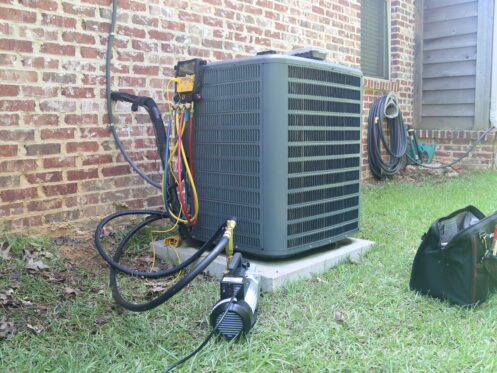
Spring in Georgia can be sneaky. One week feels mild, then humidity arrives like a wet blanket. Longer run times can start early, especially in homes with afternoon sun. A simple checklist helps an HVAC system feel ready, not rushed.
Instead of trying to handle everything at once, a few quick steps can be spaced out. Small warning signs are easier to catch in spring than mid-summer. If something looks or sounds off, a service visit can be scheduled before the busy season. At Precision Heating & Air in Dallas, GA, we keep the process clear for you and your home.
Plan for Quick HVAC Self-Checks
A monthly walk-through is a low-stress habit. No tools are needed, and nothing should be taken apart. Supply vents can be kept open, and return grilles can be cleared of dust. New smells, rattles, or water around the indoor unit should be noted.
Airflow tells a lot in a short time. If one room always feels warmer, duct leakage or a restricted return could be involved. If the system sounds louder than usual, a blower wheel or motor mount may be the reason. Those clues help us explain what is happening when a technician is scheduled for you and your system.
- Blocked vents
- Dust at returns
- Odd noises
- Musty odors
- Moisture near equipment
Clean or Replace the Air Filter
The air filter is small, but it affects everything. When it is loaded with dust, static pressure rises and airflow drops. In cooling mode, low airflow can lead to evaporator coil icing. Energy use can creep up, and comfort can drift.
If a disposable filter is used, it can be replaced on schedule. If a washable filter is used, it should be fully dried before reinstallation. The airflow arrow matters, so the direction should be confirmed. If allergies are intense, a higher-MERV option should be considered, since system airflow needs can handle so much. Stick to the MERV range of 8 – 13.
Schedule a Professional Spring Tune-Up
Self-checks help, but a tune-up covers details you cannot see. Electrical wiring is inspected, and safety controls such as sensors are verified. Refrigerant charge is checked using pressure and temperature readings, then compared to the target superheat or subcooling. Coils are evaluated because heat transfer depends on clean surfaces.
Drainage is also looked at. A clogged condensate drain line can trip a float switch and stop cooling. Thermostat calibration can be confirmed, so setpoints match the air coming out of your vents. If capacitors or contactors show wear, the risk of a no-cool call is lowered by addressing it now. Our team also shares what was found, without burying you in jargon about your equipment.
- Refrigerant charge
- Capacitor values
- Contactor condition
- Drain line flow
- Temperature split
- Amp draw
Book Repairs Before Heat Becomes a Deadline
Spring is a good time for repairs because the system is not yet maxed out. Short cycling can point to a dirty filter, a thermostat issue, or a limit or pressure switch problem. Warm air from vents can be linked to low refrigerant, a failing compressor, or a weak condenser fan motor. Ignoring those signs can create extra strain.
Refrigerant should not be “topped off” without leak testing. Electrical issues should not be guessed at, either. If breakers trip or burnt smells show up, service should be requested right away. With us, the issue is traced to a root cause, not a quick patch.
Get Ahead of Georgia Humidity
Comfort is not only about temperature. Relative humidity plays a big role, and Georgia can push it high. If the air feels sticky indoors, the system may not be dehumidifying well. Oversized equipment, airflow issues, and duct leaks can all reduce moisture removal.
A whole-home dehumidifier can be integrated with ductwork and controls. Moisture is removed and drained through a condensate line, similar to AC operation. Portable units can help a room, but the full home is supported when ducted equipment is used. We can walk you through options and help you weigh your comfort against your budget.
Consider Ductwork Health
Ducts are easy to forget, since they are hidden in the walls and attic. Yet leaks can pull hot attic air and humidity into the system. Dust can also build up, especially after remodeling or years of heavy pollen. If vents seem dusty fast, duct conditions may be worth a look.
Duct cleaning is not always required, but an inspection can clarify the need. Airflow and static pressure can be measured to spot restrictions. If sealing is recommended, it is done to improve delivery, not to sell extras. Our goal is steadier comfort in more rooms of your home.
Blown-in insulation is spring prep that pays off fast. Tiny bits of cellulose or fiberglass get blown into your attic and wall cavities, like filling every little crack in a jar. That extra R-value slows the heat from baking your ceiling. Your AC doesn’t have to sprint all afternoon.
Rooms feel more even, less sticky, and less drafty. You may notice fewer hot spots and fewer mystery dust trails. Pair it with simple air sealing around light cans and attic hatches for a bigger win. The result: steadier comfort, quieter nights, and smaller power bills. It helps your system last longer.
Prepare the Outdoor Condenser
The outdoor unit needs clear airflow. When shrubs crowd the cabinet, head pressure rises, and efficiency falls. Items like grills, planters, and storage bins should be kept away. Leaves and branches should be cleared after storms.
Coil cleaning should be gentle. Bent fins reduce airflow, so high-pressure spraying is not a good idea. If the coil is heavily impacted, professional cleaning is safer. With our team, coil-safe methods are used, so performance is improved without damage.
Reduce Heat Gain Through Doors and Windows
If gaps exist at doors and windows, cooled air can escape. Hot, humid air can slide in, and the system is asked to run longer. That can show up as uneven rooms and higher bills. Simple sealing steps can help, even before big upgrades are considered.
Weather-stripping, door sweeps, and window film are common options. Curtains and blinds can also reduce solar heat gain on bright afternoons. If you want a more detailed plan for your home, an evaluation can be requested. Our notes can help you prioritize what matters most.
When Should Spring Prep Start?
In Georgia, earlier is usually better. Pollen season adds load to filters, and the first hot week can arrive suddenly. When a checklist is started in spring, emergency calls are less likely in summer. Schedules also stay calmer.
When help is needed, Precision Heating & Air in Dallas can be reached for tune-ups, repairs, humidity solutions, and airflow concerns. We even have a maintenance program called Precision Heating & Air Protection Plan that goes further than standard maintenance and saves you money. Contact Precision Heating & Air to schedule service, and your system can head into summer feeling prepared.
