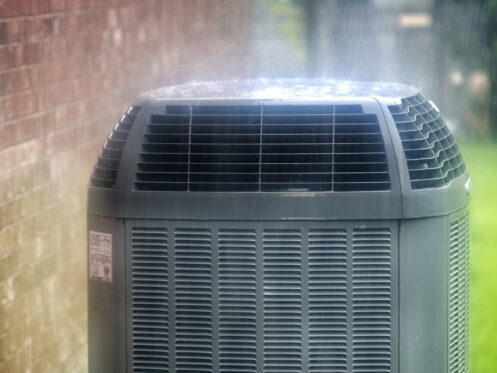
Georgia’s severe weather season puts your outdoor HVAC equipment at risk every year. Strong thunderstorms, high winds, hail, and falling tree limbs can strike with little warning across Metro Atlanta. A single storm can bend condenser fins, damage electrical connections, or flood the area around your unit. Protecting your outdoor equipment before, during, and after severe weather keeps your cooling system running through Georgia’s hottest months.
Georgia ranks among the most active states in the country for severe thunderstorms. The Metro Atlanta area averages more than 50 thunderstorm days per year, with peak activity occurring from April through September. These storms often produce wind gusts above 60 mph, large hail, and heavy downpours that last for hours. Tropical weather systems moving inland from the Gulf Coast add another layer of risk during late summer.
High humidity compounds the effects of storm damage on outdoor HVAC equipment. Moisture accelerates corrosion on electrical connections, metal parts, and copper refrigerant lines. A unit that sustains minor summer storm damage can develop major problems in weeks as humidity attacks the compromised components. Both during storms and between them, Georgia’s climate is harder on outdoor equipment than drier regions.
What Types of Storm Damage Can Affect Outdoor HVAC Units?
Storm damage takes several forms, and each type affects your system in a different way. Understanding the risks helps you know what to look for after severe weather passes through your area.
- Bent or crushed condenser fins
- Fallen tree limbs denting the unit
- Electrical damage from power surges
- Water pooling around the unit
- Debris causing airflow issues
- Displaced or shifted unit
How Can Homeowners Protect Their Outdoor Unit Before a Storm?
Preparation before a storm arrives makes the biggest difference in preventing damage. Start by surveying the area within 10 feet of your outdoor unit. Remove patio furniture, garden tools, or any other loose items that wind could turn into projectiles. A lightweight object traveling at high speed can strike with enough force to damage components.
Trim tree branches that hang over or near the outdoor unit throughout the spring and summer. Dead branches and weak limbs break free first during high winds. Keeping the area above and around the unit eliminates the most common source of major storm damage. Schedule trimming early in the season before storms arrive rather than reacting after damage occurs.
Why Proper Drainage Around the Unit Matters
Standing water around your outdoor unit creates problems that outlast any single storm. Stormwater carries mud, silt, and organic debris that clog vents and coat internal components. Even a few inches of standing water can submerge the electrical connections at the base of the unit. Those connections corrode fast when moisture reaches them.
The ground around your outdoor unit should slope away from the equipment pad on all sides. This directs rainwater away from the base and prevents pooling during heavy downpours. If you notice standing water near the unit after storms, the grade may need correction. Regrading soil or gravel to redirect drainage protects the equipment and the concrete pad beneath it.
Heavy rainfall and soil erosion can gradually cause the condenser pad to shift or settle unevenly over time. When an outdoor condenser is no longer level, it can place stress on refrigerant lines and affect compressor lubrication. It can also contribute to excessive vibration during operation. In many cases, this added strain may lead to reduced efficiency, refrigerant leaks, or premature component wear. Inspecting the area around the unit after major storms can help identify stability issues early before they develop into more costly mechanical problems.
Should You Cover Your Outdoor HVAC Unit During Storm Season?
Covering your outdoor unit during an active storm seems like a logical protective step. However, full covers create problems that often outweigh the protection they provide. A sealed cover traps moisture inside the housing. This accelerates corrosion and encourages mold growth on internal components. Covers also attract rodents and insects that nest inside the sheltered space and may chew through wiring.
Some manufacturers offer mesh guards or hail screens designed for their specific condenser models. These products allow airflow while deflecting debris and hail impacts. Check with your equipment manufacturer or HVAC contractor to find out if an approved option exists for your unit.
What Warning Signs Could Indicate Storm-Related HVAC Damage?
After a severe storm passes through your area, pay attention to how your system performs during its next cooling cycle. Some damage reveals itself right away, but other problems take a few days to surface.
- System doesn’t turn on
- Unusual grinding, rattling, or squealing
- Noticeably weaker airflow
- Reduced cooling performance
- Burning or electrical smell
A system that trips the breaker after a storm may point to electrical damage from a surge or lightning strike. Don’t continue resetting the breaker. This can cause further damage to the compressor or wiring. Instead, turn the system off and schedule a professional AC repair visit before turning it on.
Why Post-Storm HVAC Inspections Are Important
Many types of storm damage hide inside the unit that a visual check cannot detect. A lightning strike can weaken a capacitor without causing visible burns or marks on the housing. Low-level flooding can introduce contaminants into the compressor’s moving parts that degrade performance over weeks. Refrigerant lines can develop micro-fractures from debris impacts that cause small leaks that are impossible to detect without the right equipment.
A professional inspection includes checking electrical connections, refrigerant levels, coil condition, and motor function in one visit. The technician tests components under load to verify they perform within manufacturer specifications. This level of diagnosis catches problems that take professional expertise to spot. Identifying hidden damage early prevents a small post-storm issue from becoming a mid-summer system failure.
How Preventive Maintenance Helps Protect HVAC Systems Year-Round
A well-maintained system withstands storm stress better than a neglected one. Clean coils transfer heat with efficiency, which means the compressor works less hard during recovery after a power outage. Tight electrical connections resist corrosion better than loose ones exposed to moisture. A system running at peak condition enters storm season with more resilience than one already operating under strain.
Annual maintenance also establishes a performance baseline that makes post-storm diagnosis faster and more accurate. Your technician knows what normal readings look like for your specific system. When a storm causes a small issue, the change stands out right away. That baseline comparison turns a general inspection into a targeted evaluation that identifies what the storm affected.
Schedule a Professional HVAC Inspection After Severe Weather
At Precision Heating & Air, we are a family-owned HVAC contractor with over 30 years of experience serving Dallas, GA and the surrounding areas. Our NATE-certified technicians provide emergency service, free estimates, and a 100 percent satisfaction guarantee on every job. We also offer maintenance plans to keep your system running at its best year after year.
Contact Precision Heating & Air today to schedule a post-storm cooling system inspection or seasonal tune-up in Metro Atlanta.
