Hot water is one of those comforts that you do not think about until it is no longer available. Whether you are starting your day with a shower, running a load of laundry, or cleaning dishes, your water heater works behind the scenes to make sure your household runs smoothly. When it comes time to replace your current unit or choose a system for a new home, the decision carries more weight than you might expect. A water heater is a long-term investment, and choosing the right one can affect not only your comfort but also your utility bills and maintenance costs.
Understanding Your Household’s Hot Water Needs
The first step in choosing a water heater is understanding how much hot water your family uses. Showers, laundry, dishwashing, and even small tasks like handwashing all add up quickly. Thinking about how often your household members use hot water simultaneously is equally important. For example, if two showers and the dishwasher often run at the same time, you will need a system that can manage peak demand without running cold halfway through.
Evaluating your daily habits helps you determine the size and type of water heater that will keep up with your family without wasting energy. Choosing a unit that is too small can mean constant frustration. Selecting one that is too large can cause higher energy bills and unnecessary costs.
Choosing Between Traditional and On-Demand
One of the biggest choices you will face in your home is deciding between a traditional storage-tank water heater and a tankless system. Storage-tank water heaters are the most common and operate by heating a large amount of water that sits in a tank until you need it. They are available in various sizes, usually ranging between 30 and 80 gallons, making them ideal for small to mid-sized households. The advantage of a storage tank is that it gives you a steady supply of hot water. However, after the tank runs out, you must wait for it to refill and heat up again.
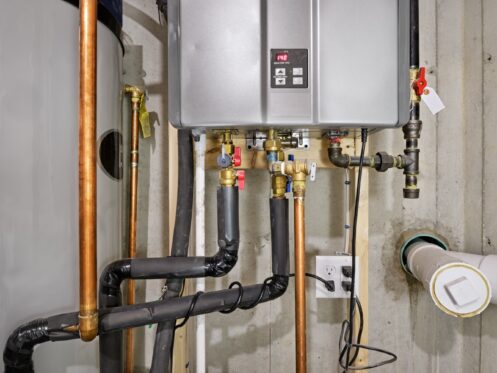
Tankless water heaters can heat water on demand. Instead of always keeping a supply of hot water ready, the system heats water as it flows through the unit. This design provides an endless supply of hot water, which is ideal for larger families or households with high water usage patterns. Tankless units tend to cost more upfront, and installing one of these units may mean that you need to upgrade your gas line or electrical system. That said, these water heaters tend to last longer and are more energy-efficient than traditional models.
Energy Efficiency and Operating Costs
Beyond size and type, energy efficiency plays a role in selecting the most suitable water heater for your household. Water heating accounts for a large portion of your energy use, so selecting an efficient system can reduce your utility bills over time. Tankless models often earn praise for their efficiency because they heat water only when you need it. High-efficiency storage tanks are also available. They feature better insulation and advanced heating elements that help reduce standby heat loss.
When comparing efficiency, it’s wise to look at the unit’s Energy Factor (EF) or Uniform Energy Factor (UEF) rating. The higher the rating of your unit, the more efficiently it will be able to convert energy into hot water.
Fuel Source Options
Your home’s available energy sources will also affect your decision. Water heaters can run on natural gas, propane, and electricity. In some cases, they can even operate using solar power. Gas units generally heat water faster and cost less to operate compared to electric models. However, electric heaters may be easier to install and require less maintenance. If you have your home equipped with solar panels, you may even consider a solar water heating system that integrates with your energy setup to provide eco-friendly hot water.
Each fuel source comes with its own benefits and trade-offs. For instance, while electricity is widely available, it can cost more than natural gas depending on your area. Propane may be necessary in rural locations where natural gas is unavailable, and solar is attractive if you are looking for the lowest environmental impact.
Sizing the System Correctly
Once you know the type and fuel source you prefer, you need to size the system properly. You should size a tank water heater by its storage capacity. Tankless water heaters take into consideration flow rate, or the number of gallons of hot water they deliver per minute. For storage tanks, selecting the right size depends on the number of people in your household and the amount of hot water you use during peak usage periods. For tankless systems, calculate the number of fixtures you plan to run simultaneously, such as a shower and washing machine, and select a model that can maintain optimal temperature and pressure without compromise.
Choosing a water heater that is too small results in constant frustration and inadequate amounts of hot water. Oversizing means you are paying for capacity and energy that you don’t really need. Consult us at Precision Heating & Air so that we can help you select the right water heater for your home.
Long-Term Considerations: Lifespan and Maintenance
When choosing a water heater, it is wise to think beyond the installation cost. Traditional tank-based water heaters usually last about 8 to 12 years with proper care. Tankless models can last 20 years or more. Routine maintenance, such as flushing sediment from the tank or descaling a tankless system, is necessary to keep your unit operating efficiently.
If you value longevity and want fewer replacements over the years, investing in a tankless model might be worthwhile. If you prefer a lower upfront payment and are comfortable with more frequent replacements, a traditional tank may still fit your needs. Maintenance is also important for warranty coverage, so stay on top of regular service to protect your investment.
Balancing Budget and Comfort
Your budget is also an important factor when you are selecting a water heater for your home. Before deciding, make sure you weigh the initial installation cost against the long-term operating expenses. Tankless systems generally cost more to install, but they provide savings that can offset the price difference over time. Storage tank systems are not expensive initially but tend to be less efficient.
Ultimately, the best water heater for your family’s needs balances comfort with cost-effectiveness. If you want unlimited hot water and plan to stay in your home for many years, a tankless system may be the most rewarding choice. If you need a quick and affordable replacement, a tank-based water heater may be the right fit.
Making the Right Choice for Your Family
At Precision Heating & Air, we will help guide you to find the optimal water heater for your home. A well-chosen water heater delivers reliable comfort, saves you money, and provides peace of mind knowing your new unit meets your family’s needs. We are a family-owned company that has over 30 years of experience serving the Dallas, GA area. Call us today for a consultation.
